Growing Strawberries in Hanging Baskets
Learn how to grow strawberries in hanging baskets with the right varieties, soil mix, watering, and fruit care for balcony harvests.
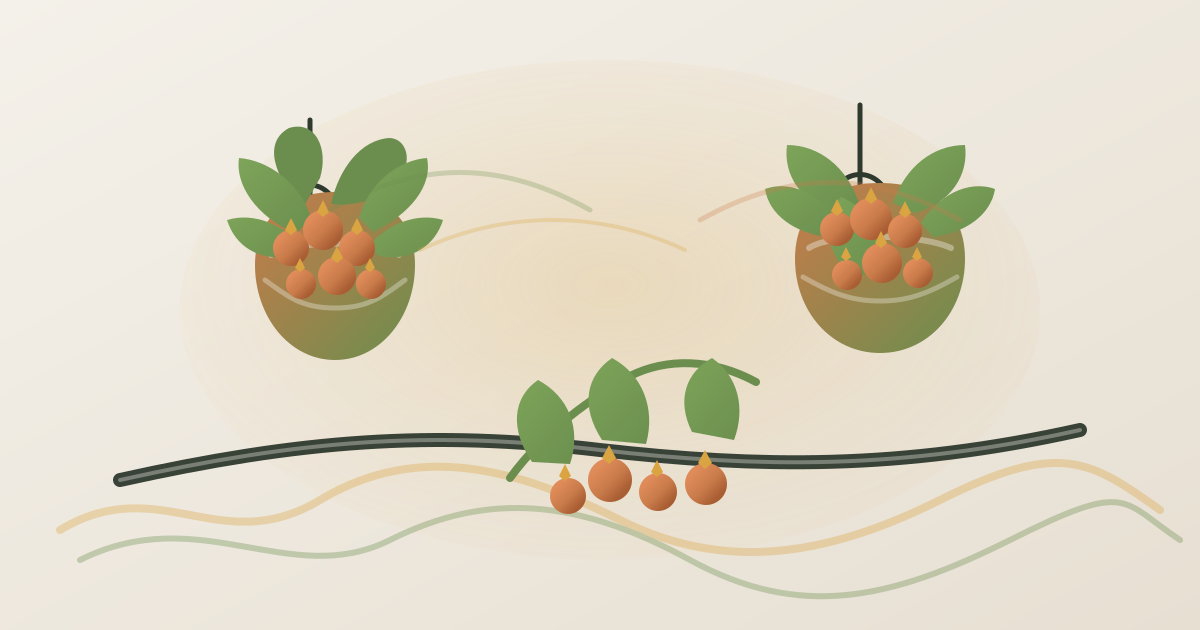
Growing Strawberries in Hanging Baskets
Strawberries are one of the easiest fruits to grow in a small outdoor space, and hanging baskets make them feel almost made for balcony life. They stay off the ground, trail attractively over the sides, and make harvesting simple—no crouching, no digging, and no mud. If your balcony gets enough sun, a basket of strawberries can turn into a compact, productive feature that looks as good as it tastes.
The key is understanding that strawberries in baskets need a little more care than strawberries in a garden bed. The container dries faster, the roots have less room, and the plants rely on you for steady moisture and feeding. But once you get the basics right, they can be surprisingly reliable.
Hanging baskets are especially useful on balconies because they combine fruit production with vertical growing. You get better airflow around the foliage, cleaner fruit, and easier access for maintenance and harvest. :::
Why Hanging Baskets Suit Strawberries
Strawberries naturally produce low, spreading plants with runners that want to cascade. A hanging basket works with that habit instead of against it. The foliage can spill over the sides, flowers remain easy to see, and ripe berries are often more visible than they would be in a crowded pot.
There are a few practical advantages too:
- Space-saving growth: the basket uses vertical space rather than precious floor space.
- Better airflow: leaves dry faster after rain or watering, which can help reduce fungal issues.
- Cleaner harvests: fruit hangs away from soil splash and is less likely to rot on damp surfaces.
- Simple picking: ripe berries are right at eye level.
That said, baskets also expose plants to more sun and wind than a sheltered pot on the floor. On a warm balcony, that can be a benefit—but it also means you need to stay attentive to moisture.
Pro Tip: If your balcony is breezy, choose a basket with a wider base or hang it where it gets morning sun and a little afternoon shelter. Strawberries love light, but they dislike being baked dry every day.
Choosing the Best Strawberry Types
Not every strawberry is equally suited to a hanging basket. The best choices are usually the varieties that produce fruit steadily without needing huge root systems or extra room for long runners.
Best types to look for
| Strawberry type | Main benefit | Best for |
|---|---|---|
| Everbearing | Produces in flushes across the season | Harvesting over time |
| Day-neutral | Fruits repeatedly when conditions are right | Small-space productivity |
| Compact/container varieties | Smaller habit, easier to manage in baskets | Tight balconies and baskets |
What to prioritize
Look for varieties described as:
- compact
- container-friendly
- everbearing
- day-neutral
- trailing but tidy
June-bearing strawberries can work, but they usually produce one concentrated crop and may not be the best use of a hanging basket unless you specifically want a short, heavy harvest window. For most balcony gardeners, day-neutral or everbearing types are the better choice because they spread production out.
If you’re buying bare-root plants, check whether the variety is recommended for containers or baskets. Nursery labels often include growth habit, fruiting pattern, and disease resistance, which can save you time later. :::
Basket Setup Essentials
A good strawberry basket starts with the right container. Strawberries have shallow roots, but they still need enough depth and room for several plants to establish without drying out too quickly.
Basket size and depth
Aim for a basket that is at least 12 inches wide and preferably 10 to 14 inches deep. Larger baskets hold moisture better and can support more plants, which usually means a steadier harvest.
A basket that is too small may look neat at first, but it can become a constant watering job in summer.
Drainage matters
Strawberries like consistent moisture, not soggy roots. Good drainage is essential, so choose a basket or liner that allows excess water to escape freely. If you use a decorative outer basket, make sure the inner planting container still drains well.
Soil mix
Use a light, moisture-retentive but free-draining mix. A good container blend should include:
- high-quality potting mix
- compost or worm castings in moderation
- perlite, pumice, or coarse coco coir for airflow
Avoid heavy garden soil. In a hanging basket, dense soil can compact quickly, limiting root growth and holding too much water in the wrong places.
Liner choices
Basket liners can help retain moisture, but they also influence airflow and dryness. Common options include:
- Coco fiber liners: attractive and breathable, but can dry quickly
- Moss liners: traditional look, moderate moisture retention
- Plastic-lined baskets with drainage holes: better moisture retention, but monitor closely to avoid waterlogging
For strawberries, a liner that balances moisture retention with drainage is ideal.
Watch Out: Tiny baskets with dark liners can overheat and dry out very fast on sunny balconies. In hot weather, that combination can stress plants by midday even if they looked fine in the morning.
Watering and Feeding
Watering is the biggest difference between strawberries in baskets and strawberries in larger containers. Hanging baskets lose moisture quickly because they are exposed on all sides, and the roots have less reserve to draw from.
How to water
Check the basket daily in warm weather. The top layer should feel slightly moist, not dusty and dry. Water thoroughly until you see runoff from the bottom, then let the basket drain completely.
In hot, windy conditions, you may need to water once a day or even twice on very hot afternoons. Morning watering is best because it gives the plant time to use the moisture before the strongest heat arrives.
Signs of underwatering
- drooping leaves by midday
- dry, crumbly soil pulling away from the sides of the basket
- berries staying small or unevenly formed
- flowers dropping before setting fruit
Feeding for flowers and fruit
Strawberries need nutrients to keep flowering and setting fruit, but too much nitrogen pushes leafy growth at the expense of berries. Use a balanced container fertilizer or a feed formulated for fruiting plants.
A simple schedule might look like this:
- a slow-release base fertilizer at planting time
- a diluted liquid feed every 2 to 3 weeks during active growth
- reduced feeding once fruiting slows down
You can also top-dress with a little compost mid-season if the basket still has room, but avoid burying the crowns.
A simple watering rhythm
Sun, Pollination, and Fruit Quality
Strawberries need good light to bloom and ripen well. For the best fruit, aim for at least 6 hours of direct sun per day, though more can be better if the basket does not overheat.
Light and basket placement
If your balcony has a strong sun pattern, think about where the basket will spend the hottest part of the day. A spot with bright morning sun and a slightly gentler afternoon may give you better fruit quality than a fully exposed location that bakes the plants.
If the basket is hanging against a wall, rotate it every few days so all sides receive similar light. This helps the plant grow evenly instead of leaning toward one direction.
Pollination basics
Strawberry flowers are usually pollinated by insects and air movement, so balconies with some natural breeze often do well. If your space is enclosed or high above street level, you may notice that some berries are misshapen or incomplete when pollination is weak.
To improve pollination:
- gently tap or shake the basket during flowering
- turn the basket regularly for even flower exposure
- encourage pollinators by planting other balcony-friendly flowers nearby
Fruit quality cues
Good strawberry fruit should be:
- firm but not hard
- fully colored before harvest
- evenly shaped whenever possible
- picked in the cool morning for best flavor
Harvesting at the right time makes a real difference. Strawberries do not ripen much after picking, so wait for full color rather than assuming they will sweeten off the plant.
Pro Tip: If your berries are small and pale, the problem is often a mix of inconsistent watering, low light, or too much nitrogen. Bright conditions plus steady moisture usually improve size and sweetness faster than extra feeding alone.
Seasonal Care and Troubleshooting
A hanging basket strawberry planting can last longer than one season if you manage it well, but it may also perform best as a refreshed annual crop depending on your climate and variety.
Runners
Strawberry runners are long stems that produce baby plants. In a basket, runners can be charming, but too many can drain energy away from fruit production.
If your goal is berries, trim most runners as they appear. If you want to propagate new plants, root one or two in small pots and let the rest go.
Pests and birds
Balcony strawberries can attract:
- aphids
- spider mites in hot, dry weather
- birds pecking at ripening fruit
- occasional slugs if the basket is sheltered and damp
A lightweight mesh cover can help with birds, and regular inspection makes pest problems easier to catch early. Since baskets are elevated, you often have a better chance of noticing issues before they spread.
Refreshing plants for the next cycle
At the end of the season, assess whether the plants are still vigorous. If the crown is healthy and the variety is perennial in your climate, you may be able to keep it going. If flowering drops and fruit size declines, it may be better to refresh the basket with new plants.
Replace tired plants when you notice:
- reduced flowering
- small, misshapen fruit
- persistent disease
- overcrowded roots
Common problems and likely causes
| Problem | Likely cause | Best fix |
|---|---|---|
| Small fruit | Low light, inconsistent watering, overcrowding | Improve sun, water more steadily, thin plants |
| Lots of leaves, few berries | Too much nitrogen | Switch to a fruiting feed |
| Wilting by afternoon | Basket drying too fast | Water more deeply and more often |
| Misshapen berries | Poor pollination | Shake flowers gently and improve pollinator access |
| Leaf scorch | Too much direct heat or wind | Move basket or provide partial afternoon shade |
A Simple Basket Routine
If you like easy routines, strawberries reward consistency more than complexity. A simple weekly rhythm can keep the basket productive without becoming a chore.
- Daily: check soil moisture and remove any damaged leaves.
- Every few days: rotate the basket for even growth.
- Weekly: inspect for pests, trim excess runners, and harvest ripe fruit.
- Every 2 to 3 weeks: feed lightly during active growth.
- Monthly: refresh mulch or top-dress lightly if needed.
Keeping the routine small is the secret to success. In a hanging basket, strawberries do best when they are never allowed to swing between bone-dry and soaked.
Final Thoughts
Growing strawberries in hanging baskets is one of the most rewarding ways to turn a balcony into a productive fruit space. You get a plant that looks beautiful, stays tidy, and offers sweet harvests right where you live. With the right variety, a well-draining mix, steady watering, and enough sun, a basket can produce far more than you might expect from such a compact setup.
Start with one healthy basket, keep the care routine simple, and pay close attention during hot weather. Once you learn how quickly the basket dries out and how the plants respond to light, you will have a much easier time keeping berries coming all season long.